Home/Ingredients/Chromium
Ingredient 4 of 6
Chromium
The one entry on this label where you can check the amount against a published intake figure. That alone makes it the most useful page here.
Where Chromium Comes From
Chromium is a trace mineral. It occurs naturally in broccoli, grape juice, whole grains, meat and brewer yeast, and the amounts involved are micrograms — the same weight class as iodine and selenium, not magnesium or calcium.
The form used in supplements is usually chromium picolinate, where the mineral is bound to picolinic acid. That binding improves absorption compared with chromium chloride, which is why nearly every product uses it.
Trivalent chromium is the dietary form and the one in this product. Hexavalent chromium is the industrial contaminant that is genuinely toxic, and the two get confused often enough to be worth separating here.
One of six names in every Alkatide gummy
Verdict: Strong as nutrition. Modest and disputed for cravings.
Its Job In This Formula
Chromium supports the action of insulin at the cell. The precise mechanism is still argued over, but the nutritional role itself is accepted and appears in official intake tables, which is more than can be said for most supplement ingredients.
The reason it turns up in a craving product is a smaller, more specific line of research: trials looking at whether chromium supplementation reduces carbohydrate cravings, mostly in people with binge eating or atypical depression.
Within this formula it sits alongside Apple Cider Vinegar, which affects post-meal glucose from the digestive side, and Vitamin B6, which contributes to energy-yielding metabolism. Three nutrition-grade entries pointing at the same complaint.
How Good Is The Evidence?
Nutritional role: settled. There is an Adequate Intake for chromium — roughly 35 mcg a day for adult men and 25 for adult women — and it appears in the NIH fact sheet linked from the homepage. No Recommended Dietary Allowance exists, because the data were never strong enough to set one.
Cravings: modest and disputed. Small trials, mostly in specific clinical groups, reported reductions in carbohydrate craving. Larger and better-controlled studies in general populations have been less impressive.
Glucose control in healthy people: little to nothing. Where people are not deficient and handle glucose normally, adding chromium mostly does not move the numbers.
Weight loss: very weak. Meta-analyses find differences under a kilogram, and several authors describe the effect as of uncertain clinical relevance, which is a polite way of saying you would not notice it.
Dose, Timing And What Is Printed
Craving trials used between 200 and 1,000 mcg of chromium picolinate a day, which is many times the adequate intake. Supplements commonly deliver somewhere between 35 and 200 mcg.
Look at your panel and compare. If it says 35 mcg, that is a daily-value top-up rather than a research dose, and it will do what nutrition does rather than what the craving trials reported.
There is no tolerable upper limit for trivalent chromium, which sounds reassuring and is not: it means the evidence was too thin for anyone to set one, rather than that high doses were proven safe.
Vitamin C appears to help absorption slightly. Antacids and large calcium doses appear to hinder it.
Who Should Check First
Glucose medication. The main one. Insulin and several oral drugs lower blood glucose, and chromium may add to that. Anyone on them needs supervision rather than a decision made from a web page.
Kidney disease. Chromium is cleared through the kidneys. Existing kidney problems mean asking first.
Levothyroxine. Chromium picolinate can reduce absorption of thyroid hormone. Space them several hours apart and tell your prescriber.
Pregnancy. The adequate intake rises slightly in pregnancy, but supplementation is a conversation for a midwife or doctor rather than a shopping decision.
Two Things It Is Not
Not a weight-loss mineral. The meta-analyses are clear about the size of what they found, and it is under a kilogram.
Not something most people are short of. A mixed diet supplies roughly the adequate intake without anyone trying, and genuine deficiency outside long-term intravenous feeding is close to unrecorded.
This is not medical advice. Any prescription, pregnancy, breastfeeding or diagnosed condition means a word with a doctor or pharmacist before a first gummy. The full interaction table is on the safety page.
Chromium: What People Ask
Questions about this ingredient specifically.
Do I need a chromium supplement?
Probably not. A mixed diet delivers roughly the adequate intake without effort, and documented deficiency is essentially confined to long-term intravenous feeding.
Does chromium stop sugar cravings?
The trials that reported reductions used 200 to 1,000 mcg daily and studied specific clinical groups. Results in general populations have been weaker, and the honest answer is that it is modest and disputed.
Is chromium picolinate safe?
At the doses in ordinary supplements, no consistent safety problem has been shown in healthy adults. Kidney disease, thyroid medication and glucose medication are the three reasons to check first.
How much is in Alkatide?
It is the one figure printed on the panel, unlike most of the other names, which is exactly why this page exists. Read the bottle and compare it against the 25 to 35 mcg adequate intake.
Can I get chromium from food instead?
Easily. Half a cup of broccoli covers a large share of a day's adequate intake, and grape juice, whole grains and beef all contribute.
The Other Five
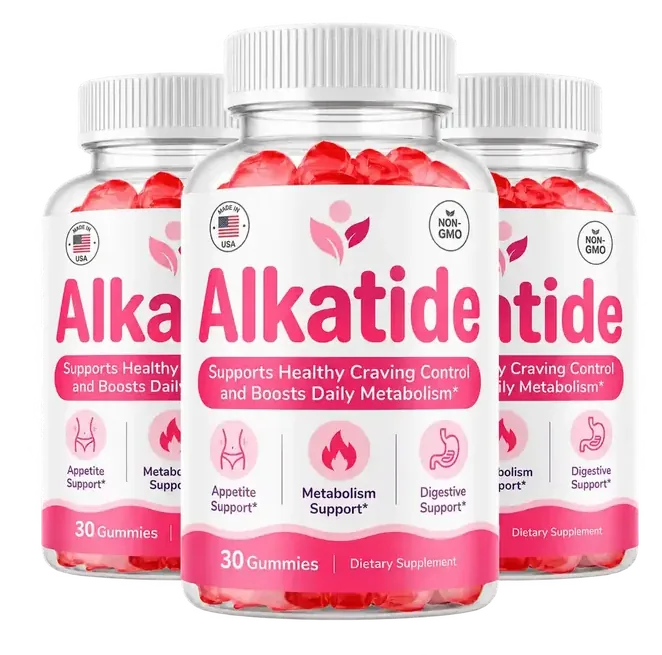
Alkatide: Six Names, One Gummy A Day
No powder to mix, no capsule to swallow, and a page for every ingredient so nothing gets bought blind.
- Chewable, so there is nothing to swallow
- Chromium carries its own printed amount
- Free US delivery on the 3 and 6 bottle packs
- Sixty days to send it back, opened bottles included